Introduction
Everyone is talking about AI. Fewer people are actually stopping to reflect on how they use it — and whether they are using it well.
That was the idea behind AI Week, April 13–17. Five unstructured days were set aside — a dedicated window to step outside normal deliverables and do one thing: genuinely explore what it means to build with AI, not just alongside it. No sprint goals. No pressure to ship. Just space to think, try, fail, and learn.
What came out of it surprised us — not because of the tools people used, but because of the conversations those tools started.
The shift nobody talks about: from using AI to trusting it
There is a moment most people hit when working with AI — the moment you stop double-checking every output and start accepting it. It happens gradually. The suggestions get good enough, fast enough, that verification starts to feel like extra work.
AI Week forced us to slow down and examine that moment. When is confidence in AI justified? When is it a shortcut we haven't noticed we're taking?
"Speed is what AI gives you. Judgement is what you still have to bring."
A compelling example emerged during a team debrief: AI had helped move faster on a feature — but when a subtle bug surfaced later, tracing it back took longer than it would have if every line had been understood from the start. The AI hadn't done anything wrong. But the habit of accepting outputs without fully internalising them had quietly introduced a gap.
That is not an argument against using AI. It is an argument for using it more intentionally.
What we actually built during AI Week
Beyond the reflection, there was real experimentation — and some genuinely useful outcomes.
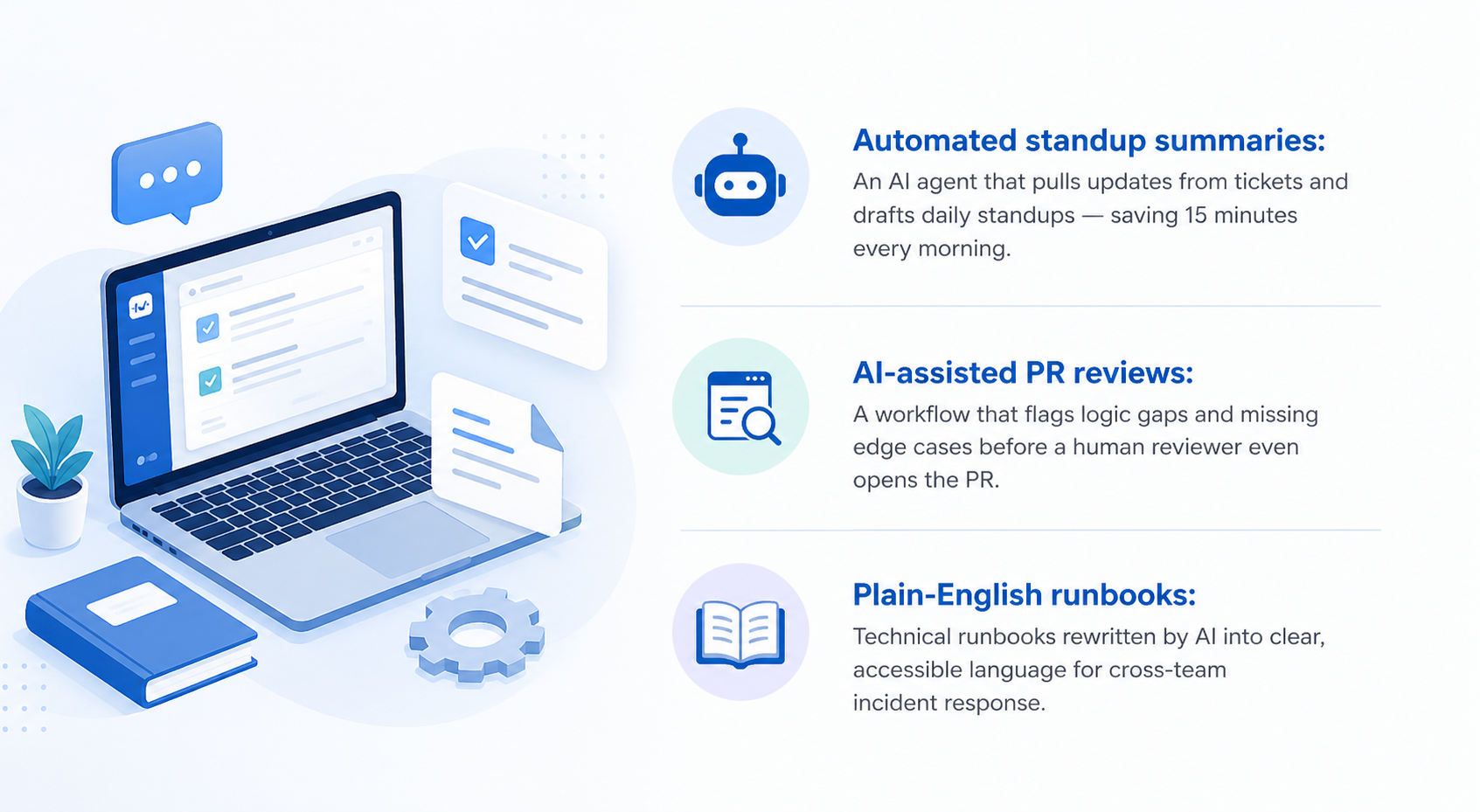
Three of these prototypes are already being piloted in real workflows. Not because they were perfect — but because they solved an actual problem someone had quietly lived with for months.
The habit that matters most
If AI Week had one headline lesson, it was this: the participants who got the most out of AI were not the ones who used it the most. They were the ones who stayed curious about why it gave the output it did.
They asked follow-up questions. They tested edge cases. They treated AI like a capable colleague whose reasoning they respected — but still checked. That habit, more than any specific tool or technique, is what separates AI that genuinely improves your work from AI that just makes your work faster.
Where this goes next
AI is not a phase. It is not a feature. It is becoming the infrastructure of how software gets built — and that means the way teams relate to it needs to mature alongside it.
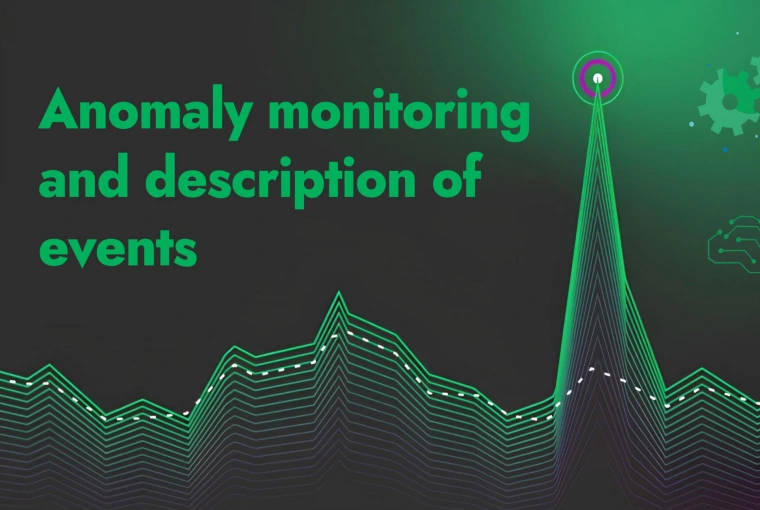
AI Week gave us a compressed view of where engineering is heading. Autonomous agents that can detect, investigate, and suggest fixes to production issues before a human even opens a terminal. AI-assisted code review that understands intent, not just syntax. Systems that don't just respond to problems but anticipate them.
That future is closer than most teams think. And the people who'll thrive in it won't be the ones who use AI the most — they'll be the ones who understand it the best.
Conclusion
The hype around AI is real, but so is the substance beneath it — if you take the time to look. AI Week reminded us that the most powerful thing AI can do for a team is not just accelerate output — it surfaces the assumptions and habits that were always there, invisible beneath the daily pace of work.
We came out of this week with better tools, better workflows, and most importantly a sharper sense of when to lean on AI and when to trust our own instincts.